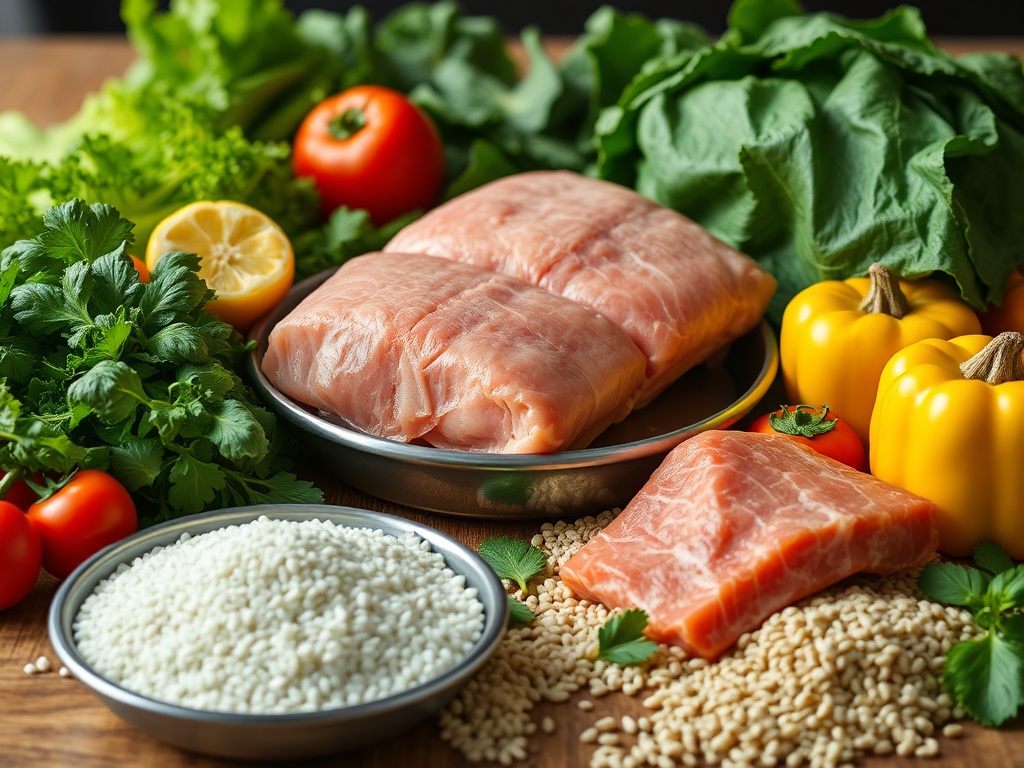
Expert Nutritional Strategies for Optimal Male Health and Vitality
Our evidence-based approach combines cutting-edge nutrition science with practical lifestyle modifications to enhance your overall wellness and performance.


Trusted by 10K+ Men
Proven Nutrition Tips to Boost Your Men's Health
Protein Optimization
Strategic protein intake supports muscle development, hormonal balance, and metabolic function for sustained energy and strength.
Mineral & Vitamins
Essential micronutrients like zinc, magnesium, and B vitamins play crucial roles in testosterone production and cardiovascular health.
Heart Health Nutrition
Targeted dietary choices reduce cholesterol, lower blood pressure, and strengthen cardiovascular function for long-term vitality.
Weight Management
Balanced macronutrient strategies help achieve and maintain healthy body composition while preserving lean muscle mass effectively.
Energy & Performance
Proper nutrient timing and food selection enhance stamina, workout recovery, and overall physical and mental performance daily.
Sleep Quality Support
Specific nutrients improve sleep architecture, hormone regulation, and recovery processes essential for male health optimization.
Immune System Boost
Nutrient-rich foods strengthen immune function, reduce inflammation, and protect against chronic disease development naturally.
Digestive Health
Fiber-rich diets and beneficial bacteria support optimal digestion, nutrient absorption, and gastrointestinal wellness comprehensively.
Testosterone Support
Evidence-based nutritional strategies naturally support healthy testosterone levels and hormonal balance throughout your lifetime.
Mental Clarity Focus
Omega-3 fatty acids and antioxidants enhance cognitive function, mood stability, and long-term brain health significantly.
Athletic Performance
Specialized meal planning accelerates muscle recovery, increases power output, and optimizes results from your training regimen.
Aging Gracefully
Anti-inflammatory foods and longevity nutrients combat age-related decline and promote sustained vitality and quality of life.
FAQs
Common Questions About Men's Nutrition
How much protein should men consume daily for optimal muscle development and metabolic health?
Daily protein requirements vary based on activity level and fitness goals, typically ranging from 1.6 to 2.2 grams per kilogram of body weight. For sedentary men, 0.8g per kilogram suffices, while athletes benefit from higher intake. Distribute protein across meals for maximum muscle protein synthesis and sustained energy. Quality sources include lean meats, fish, eggs, legumes, and dairy products. Consider timing protein intake around workouts to optimize recovery and adaptation.
What foods boost testosterone levels naturally without supplements or medication?
Testosterone-supporting foods include oysters and shellfish rich in zinc, fatty fish providing omega-3s, cruciferous vegetables aiding hormone metabolism, and red meat offering iron and B vitamins. Pomegranates, garlic, and dark chocolate contain compounds supporting blood flow and hormonal function. Maintaining adequate calorie intake, managing stress, exercising regularly, and prioritizing sleep are equally crucial for hormonal optimization. Avoid excessive alcohol and processed foods that negatively impact testosterone production.
Can nutrition alone improve energy levels, or should I consider other lifestyle factors?
Nutrition is foundational but works best alongside adequate sleep, regular exercise, stress management, and hydration. Complex carbohydrates, lean proteins, and healthy fats provide sustained energy more effectively than sugary snacks. B vitamins, iron, and magnesium combat fatigue and support energy metabolism. Timing meals appropriately prevents energy crashes. While nutrition significantly impacts vitality, combining it with exercise, quality sleep, and stress reduction creates optimal conditions for peak energy levels.
How does hydration specifically affect men's athletic performance and overall health?
Proper hydration maintains blood volume, regulates temperature during exercise, and optimizes nutrient transport to muscles. Even mild dehydration reduces strength, endurance, and cognitive function. Men typically require more fluids than women due to greater muscle mass. Plain water suits most situations, though electrolyte drinks help during intense, prolonged exercise. Individual needs vary based on activity level, climate, and metabolism. Monitoring urine color and thirst signals helps gauge adequate hydration status effectively.

Transform Your Health with Personalized Nutrition
Access expert guidance with 15+ years specializing in men's nutritional health